
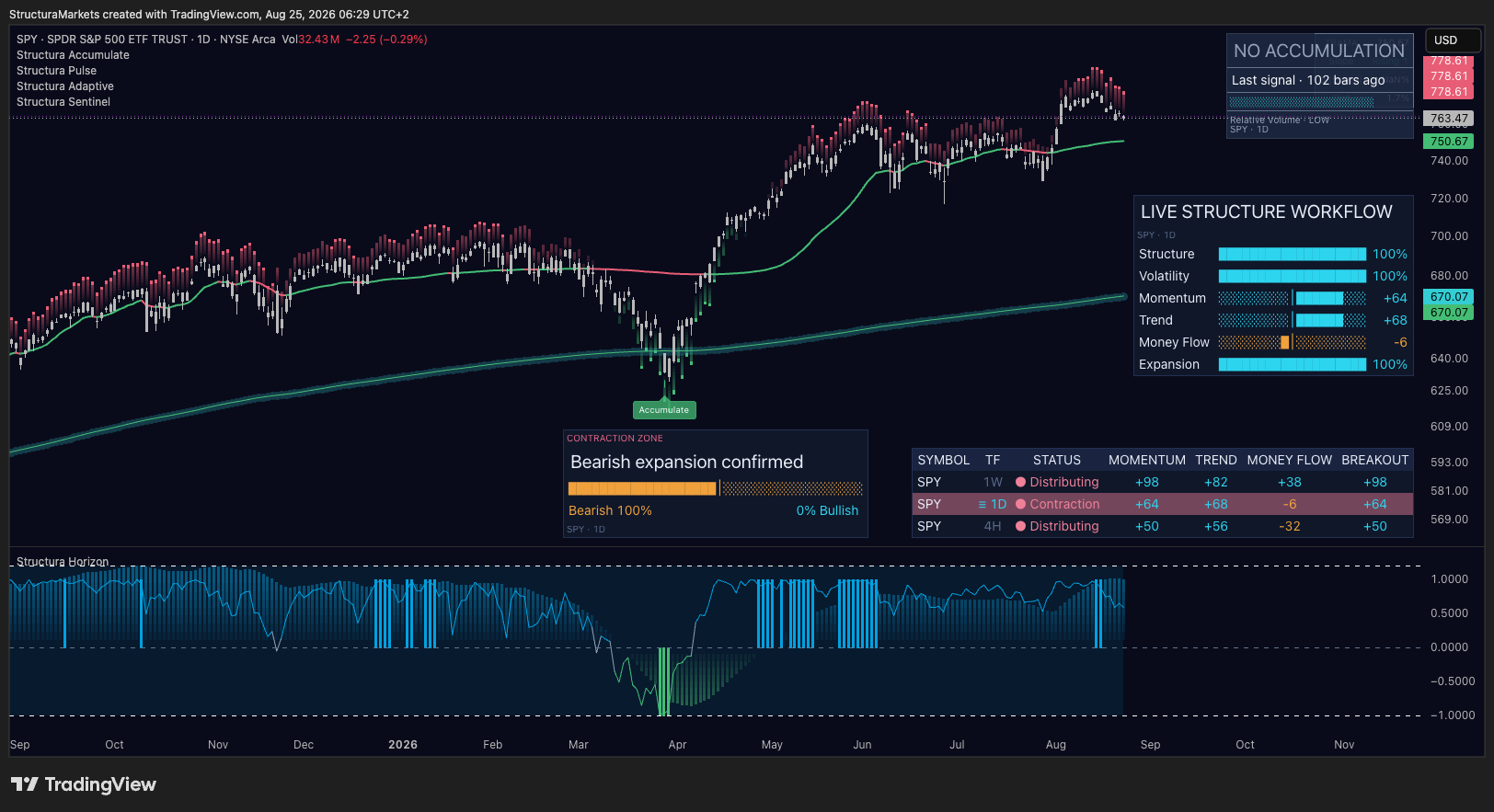


The problem
Most traders react too late.
They add more indicators, chase momentum, and get conflicting signals. Structura gives traders a cleaner way to read what happens before expansion becomes obvious. Less indicator chaos. More structure.
Structura
Traditional indicator chaos
Detailed comparison
From indicator chaos to structure-first analysis.
Structura replaces fragmented signals with one repeatable workflow for reading structure, momentum, and trend behavior.
Structura
One structured workflow
Structura organizes analysis into a single framework: Structure → Momentum → Trend. Every layer answers a specific question in a defined order.
Traditional
Multiple disconnected tools
Traders stack RSI, MACD, moving averages, and volume indicators independently. Each tool answers a different question with no shared logic connecting them.
Structura
Reading structure before expansion
Accumulate identifies where price may be rebuilding before expansion becomes visible. Structure is read first, momentum is confirmed second.
Traditional
Reacting after the move
Most indicator setups trigger after price has already moved. By the time a signal fires, the high-probability entry has passed.
Structura
Layered market context
Each Structura layer adds context to the previous one. Structure sets the foundation, Horizon adds momentum state, Pulse confirms trend behavior.
Traditional
Signals without context
A bullish crossover on RSI means nothing without knowing whether structure supports it. Isolated signals produce conflicting reads across timeframes.
Structura
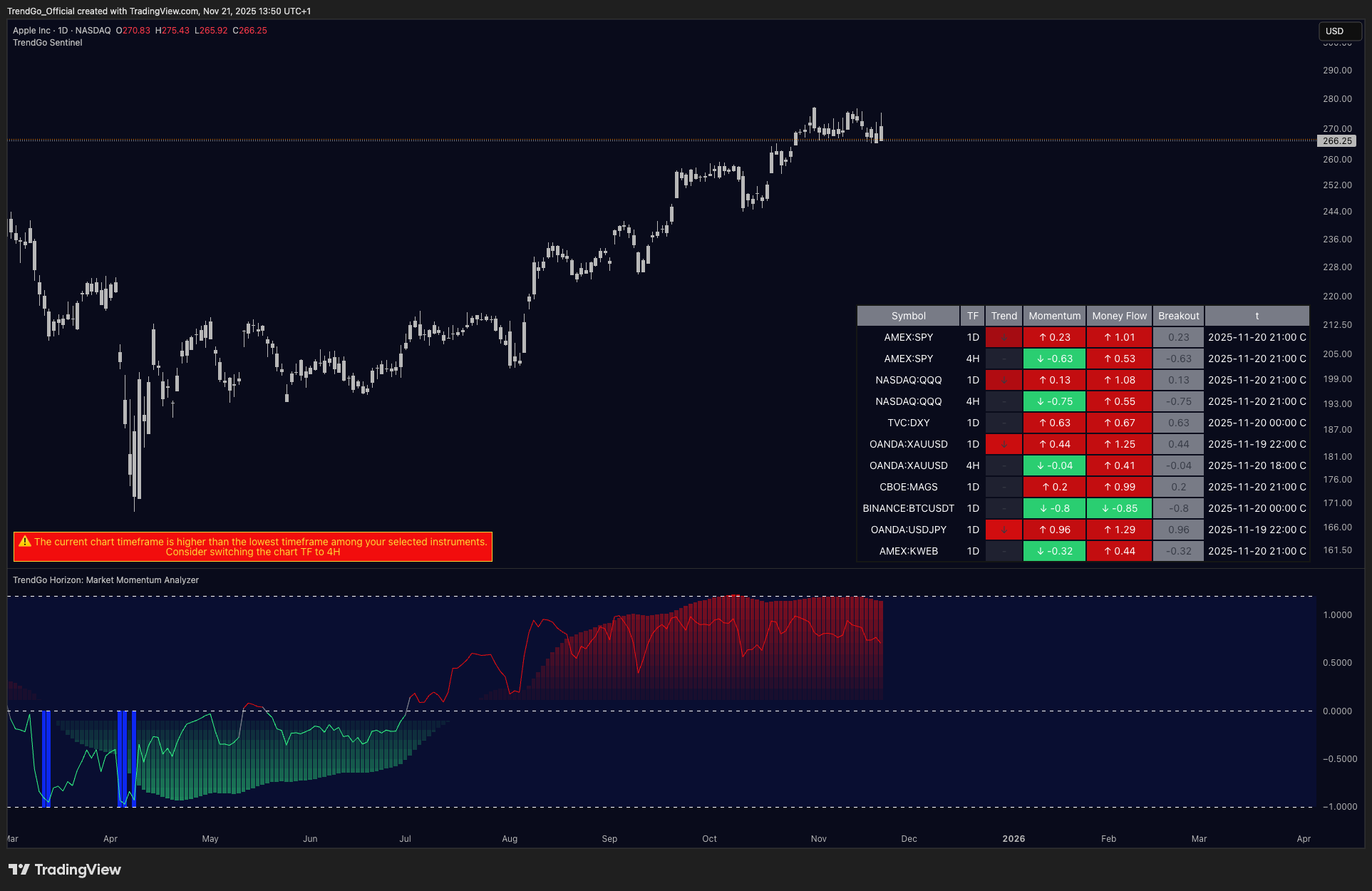
Sentinel scanning layer
Sentinel is the fourth layer of Structura, designed to identify where to focus next across markets. It replaces manual scanning with a structured process.
Traditional
Scanning charts manually
Without a systematic scanning process, traders miss setups or spend hours reviewing charts one by one across markets and timeframes.
Structura
Structured decision-support
Structura does not replace judgment. It improves clarity, context, and decision quality by providing a consistent analytical process before any trade is considered.
Traditional
Chasing the next signal
Indicator-driven traders wait for the next alert or crossover. This creates reactive behavior and inconsistent execution across different market conditions.
Structura
Purpose-built for structure analysis
Every Structura tool is designed around one question: what is the market doing structurally? Accumulate, Horizon, Pulse, and Sentinel each answer a specific part of that question.
Traditional
Generic, multi-purpose indicators
Most indicators were designed for general use. They are not built around market structure logic or the specific sequence of how price transitions.
Structura
Fewer layers, cleaner reads
Structura reduces the analytical surface to four structured layers. Each layer has a defined role, which reduces noise and improves the quality of market reads.
Traditional
More data, more noise
Adding more indicators increases the number of conflicting signals. Traders end up with more information but less clarity about what the market is actually doing.
Structura
Multi-timeframe structure reading
Structura is designed to be applied across timeframes. Structure on a higher timeframe provides context for momentum and trend reads on a lower one.
Traditional
Single-timeframe analysis
Most indicator setups are applied to a single chart. Without higher-timeframe context, traders miss the broader structural picture that drives price behavior.
The framework
One framework for reading market transitions.
Structura organizes market analysis into four layers: structure, momentum, trend behavior, and scanning.
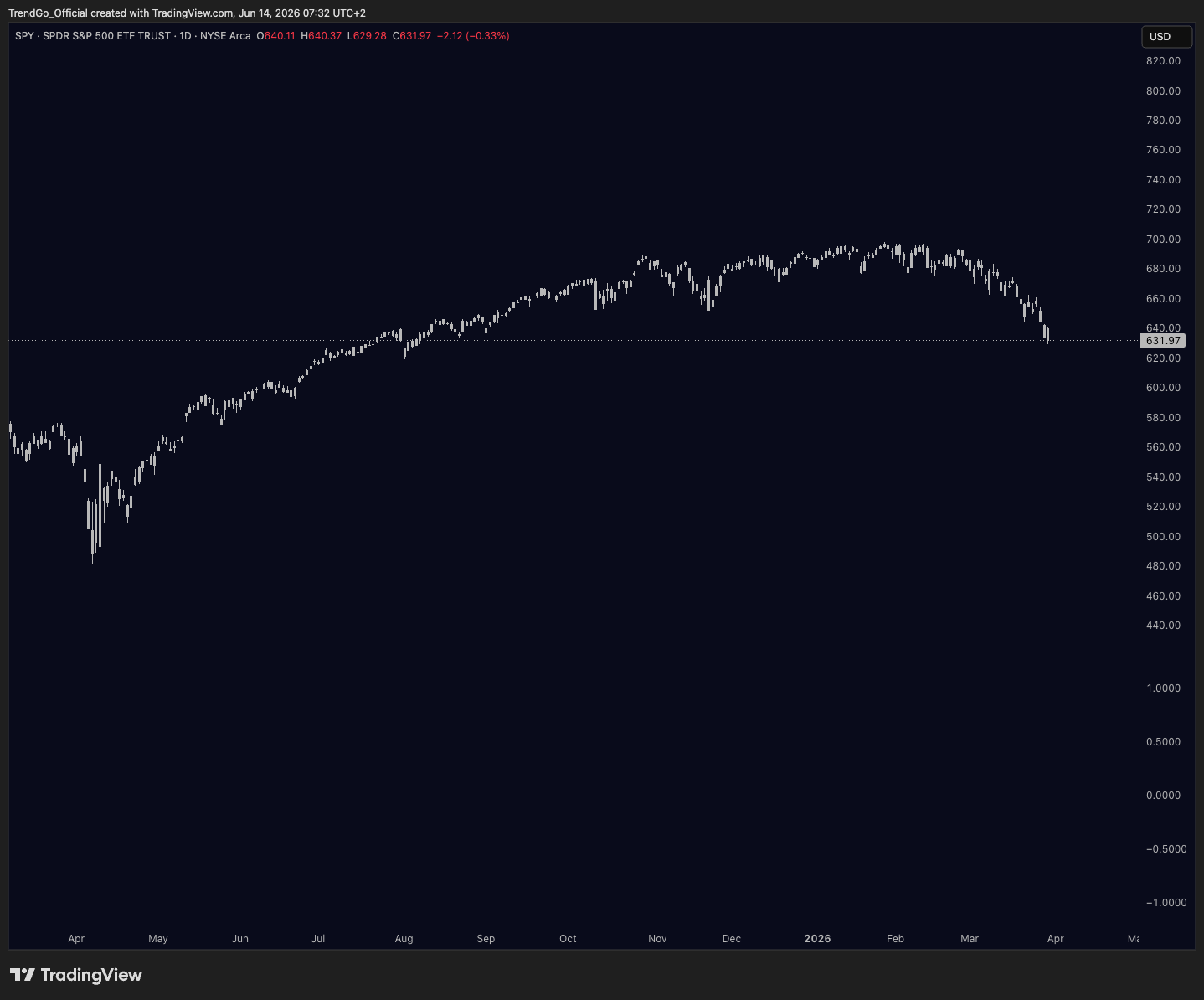
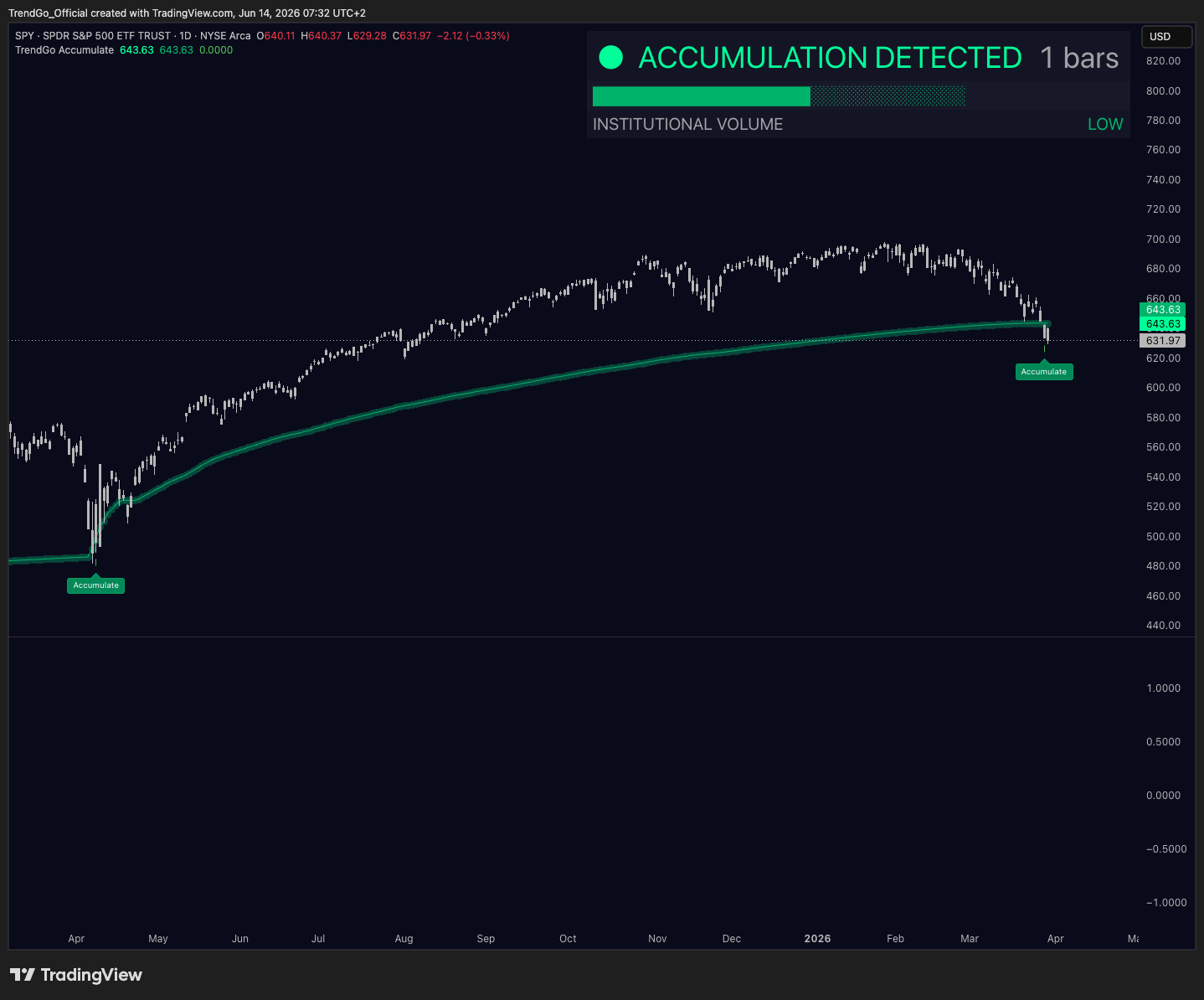
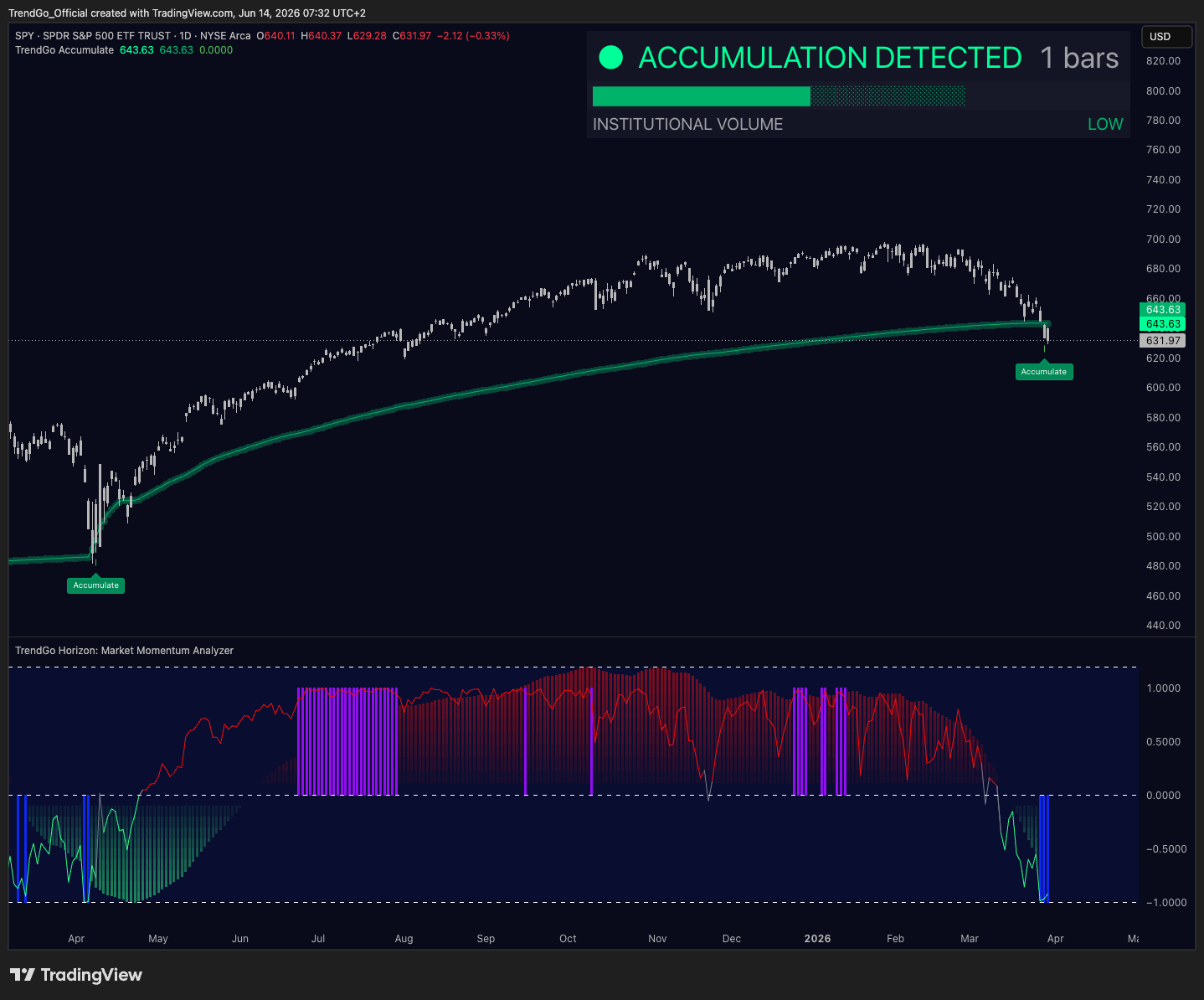
Layer 02
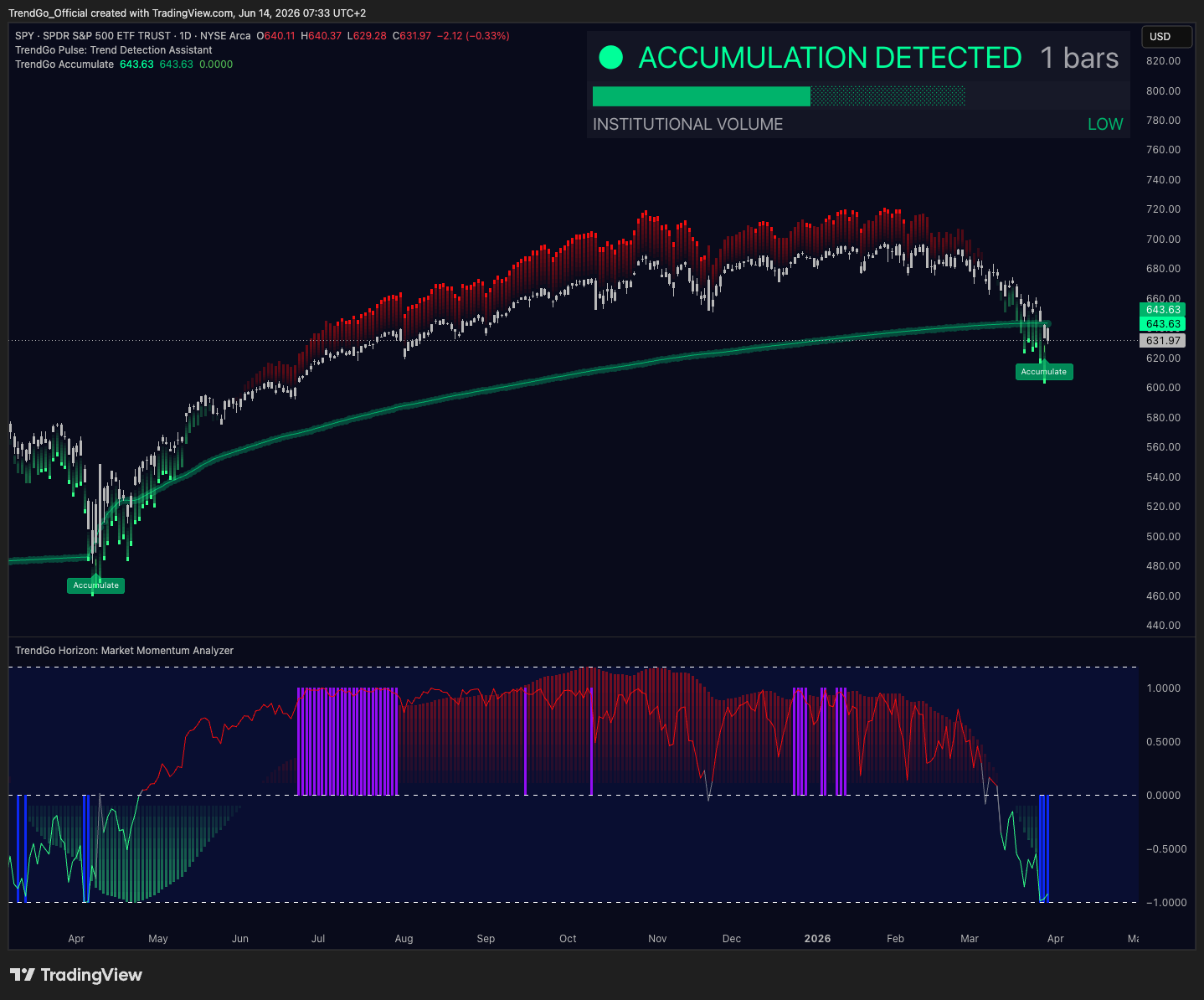
Accumulate detected
Accumulate reveals structure
The Structure step adds the Accumulate layer so users can see where market structure begins to form.
Why We Built Structura
Traders don't need more indicators. They need a clearer process.
After working with traders across different markets and timeframes, one pattern kept appearing: most analysis problems were not about missing the right indicator. They were about missing a structured way to read what was happening.
Structura was built to organize that analysis into a visual framework - Structure → Momentum → Trend - that could be applied consistently, regardless of market or timeframe.
“The goal is not to replace judgment. The goal is to improve clarity, context, and decision quality.”

Pawel Surdyk
Co-Founder / CEO
Structure → Momentum → Trend
The core framework behind every tool
Formerly TrendGo
Rebranded to better reflect the system's purpose
Available on
Works where you already trade.
Structura is available on TradingView and TrendSpider. No new platform to learn.
Start with two free tools - move into the full system when you need more.
Free Accumulate and Divergence lower the entry barrier, while Essential, Premium, and Elite guide users into the broader Horizon, Pulse, and Sentinel workflow.
Ready for a smarter way to trade?
Get Accumulate and Divergence free, compare the paid tiers, or start the Essential, Premium, or Elite workflow.
Go to pricing